
Which are the Largest Lakes in Minnesota?
How this Minnesota Lake Ranking Works
The Largest Lakes Entirely within Minnesota
- Red Lake — approximately 288,800 acres. Upper and Lower Red Lake form one connected system in northwestern Minnesota. The lake is especially important to Red Lake Nation; visitors should follow tribal access, fishing, and boating rules.
- Mille Lacs Lake — approximately 132,516 acres. A major central Minnesota destination for fishing, boating, resorts, and state-park recreation.
- Leech Lake — approximately 111,527 acres. A broad north-central lake known for walleye, muskie, northern pike, bass, resorts, and long stretches of shoreline.
- Lake Winnibigoshish — approximately 58,544 acres. This large, relatively shallow lake is part of the Mississippi River headwaters and is surrounded by forest and public recreation land.
- Lake Vermilion — approximately 40,557 acres. Its many islands and irregular shoreline create excellent scenery, boating routes, fishing structure, and resort access.
- Lake Kabetogama — approximately 25,760 acres. The largest lake entirely within Voyageurs National Park, with water-based access to campsites, hiking areas, and historic sites.
- Cass Lake — approximately 15,596 acres. Part of the connected Cass Lake–Winnie area and a popular base for fishing, paddling, camping, and forest recreation.
- Lake Minnetonka — approximately 14,528 acres. A large, highly developed lake west of Minneapolis with marinas, public parks, beaches, and many bays.
- Pelican Lake — approximately 11,400 acres. A major north-central recreation lake near Breezy Point, with boating, fishing, resorts, and public access.
- Lake Winnona and connected Whitefish-area waters — acreage varies by boundary and source. Treat connected-lake systems as a group when planning navigation rather than relying on a single ranking.
Large Minnesota Waters that Cross a Border
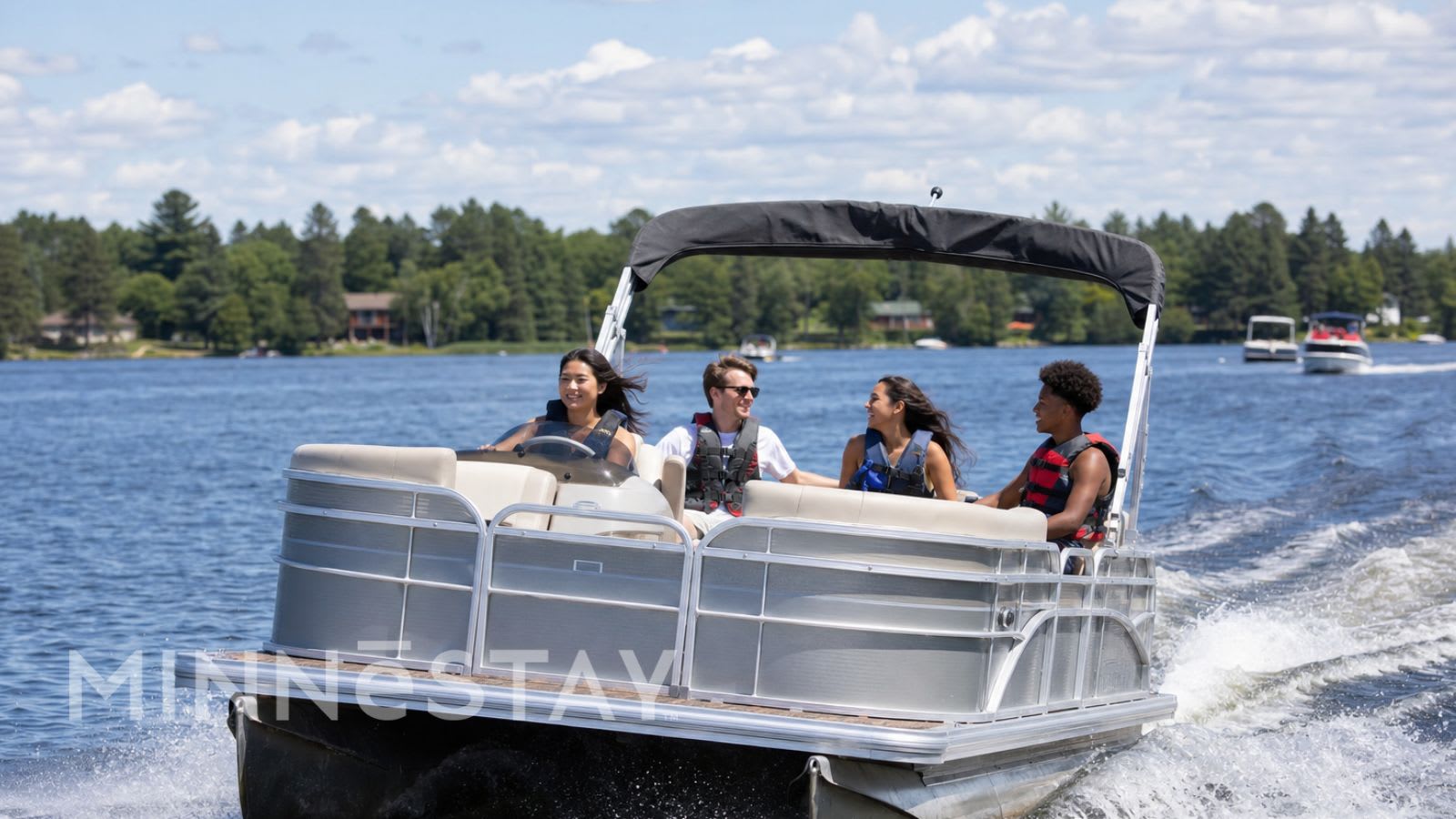
- Lake Superior — approximately 962,700 acres within Minnesota; about 20.3 million acres overall. Best known in Minnesota for the North Shore, scenic overlooks, sea kayaking, charter fishing, beaches, and state-park camping.
- Lake of the Woods — approximately 307,000 acres within Minnesota; the full lake extends into Ontario and Manitoba. Popular for walleye, sauger, northern pike, boating, ice fishing, and remote shoreline trips.
- Rainy Lake — a shared international lake along Voyageurs National Park and Ontario. Use official park and border-water guidance for permits, fishing rules, and crossings rather than relying on a single acreage figure.
- Lake Pepin — a naturally widened section of the Mississippi River shared by Minnesota and Wisconsin. It is a scenic boating, birding, fishing, and shoreline-drive destination, but it is not an inland lake entirely within Minnesota.
Minneapolis Drive Times and Route Guidance
- Lake Minnetonka — about 35–50 minutes west via I-394 and US-12 or local roads. Choose a specific community or park because the lake has many bays and access points.
- Mille Lacs Lake — about 1 hour 30 minutes to 2 hours north via US-10 and MN-27, depending on the destination town.
- Lake Pepin — about 1 hour 15 minutes to 1 hour 45 minutes southeast via US-61 or MN-50/US-52 connections; select Red Wing, Lake City, or Frontenac as the endpoint.
- Leech Lake — about 3 hours 30 minutes to 4 hours north via US-10 and US-371 toward Walker.
- Lake Winnibigoshish — about 4 hours 15 minutes to 5 hours north via US-10, US-2, and local roads; confirm the access point before traveling.
- Lake Vermilion — about 4 hours 30 minutes to 5 hours northeast via I-35 and US-53 toward Tower or Cook.
- Lake Kabetogama and Voyageurs National Park — about 5 hours 30 minutes to 6 hours northeast via I-35, US-53, and US-169 toward International Falls, then park access roads or boat transportation.
- Lake of the Woods — about 5 hours 30 minutes to 6 hours north via I-94/US-2 or US-71 toward Baudette; confirm border-water and launch information with the destination outfitter.
- Lake Superior’s North Shore — about 2 hours 30 minutes to Duluth and 3 hours 30 minutes to 5 hours or more for North Shore destinations via I-35 and MN-61.
What to do at Minnesota’s Largest Lakes
Fishing
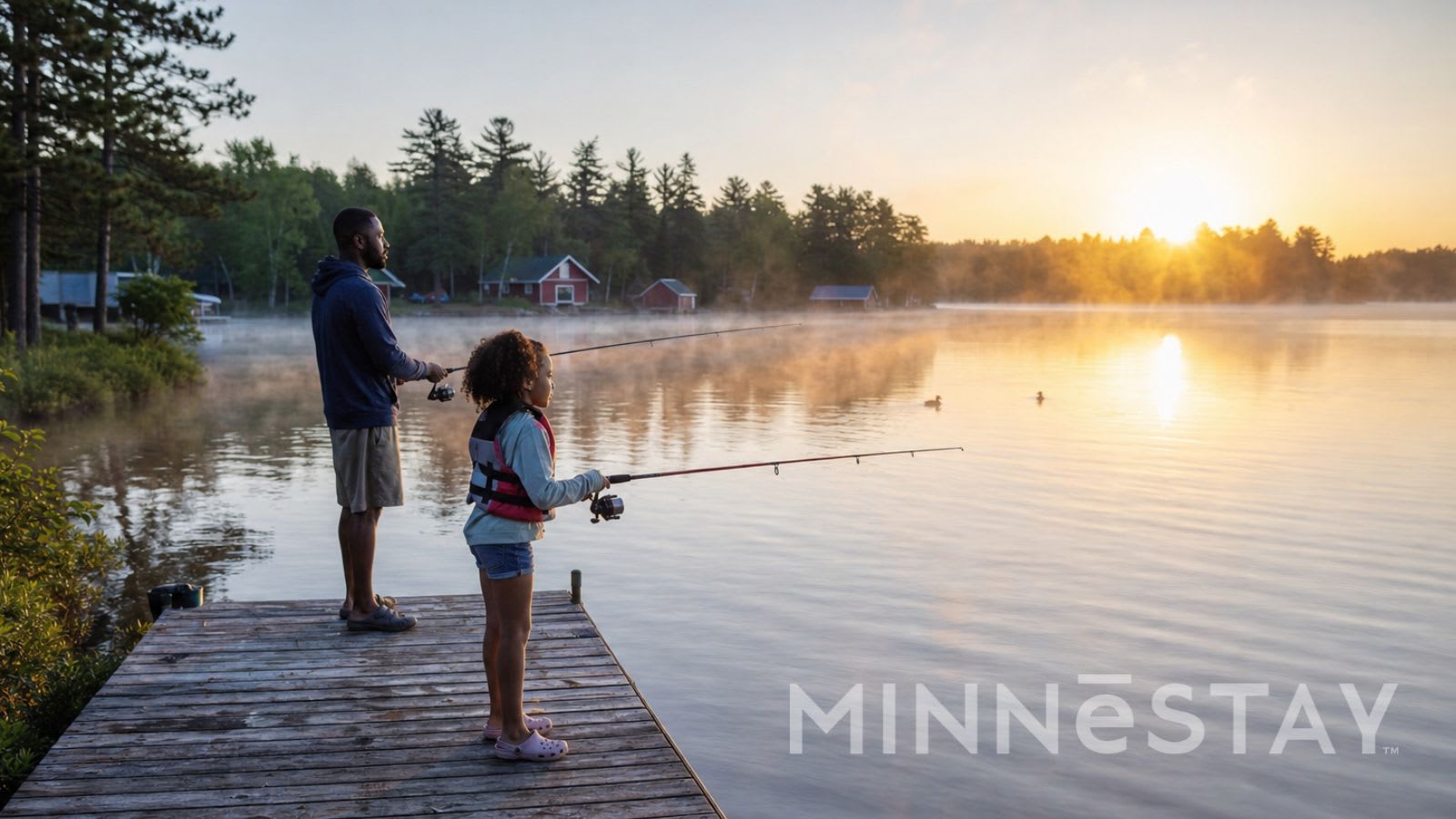
Walleye, northern pike, bass, panfish, muskie, lake trout, and salmon are among the species anglers pursue across Minnesota’s big waters. Minnesota regulations vary by lake, species, season, slot limit, possession limit, and whether the water is shared. That may sound a little complicated just to put a line in the water, but the team at MINNeSTAY is here to help you get that all figured out before you come. Check the current Minnesota DNR fishing regulations and the individual lake’s DNR LakeFinder or fisheries page before fishing. Border waters may require additional rules or licenses.
Swimming and Beaches
Camping and Overnight Stays
State parks, Voyageurs National Park, county parks, private campgrounds, resorts, and vacation rentals offer different levels of access and amenities. Reserve early for summer weekends and fall color season. OR as we always recommend, make it a MINNeSTAY and book one of our beautiful vacation rental properties with all the amenities of home away from home. We can help you secure a boat rental if you do not have one, and ensure you know where you are able to use a boat launch, find potable water, showers, accessible facilities, firewood rules, pet restrictions, and cell coverage before booking.
Boating and Paddling
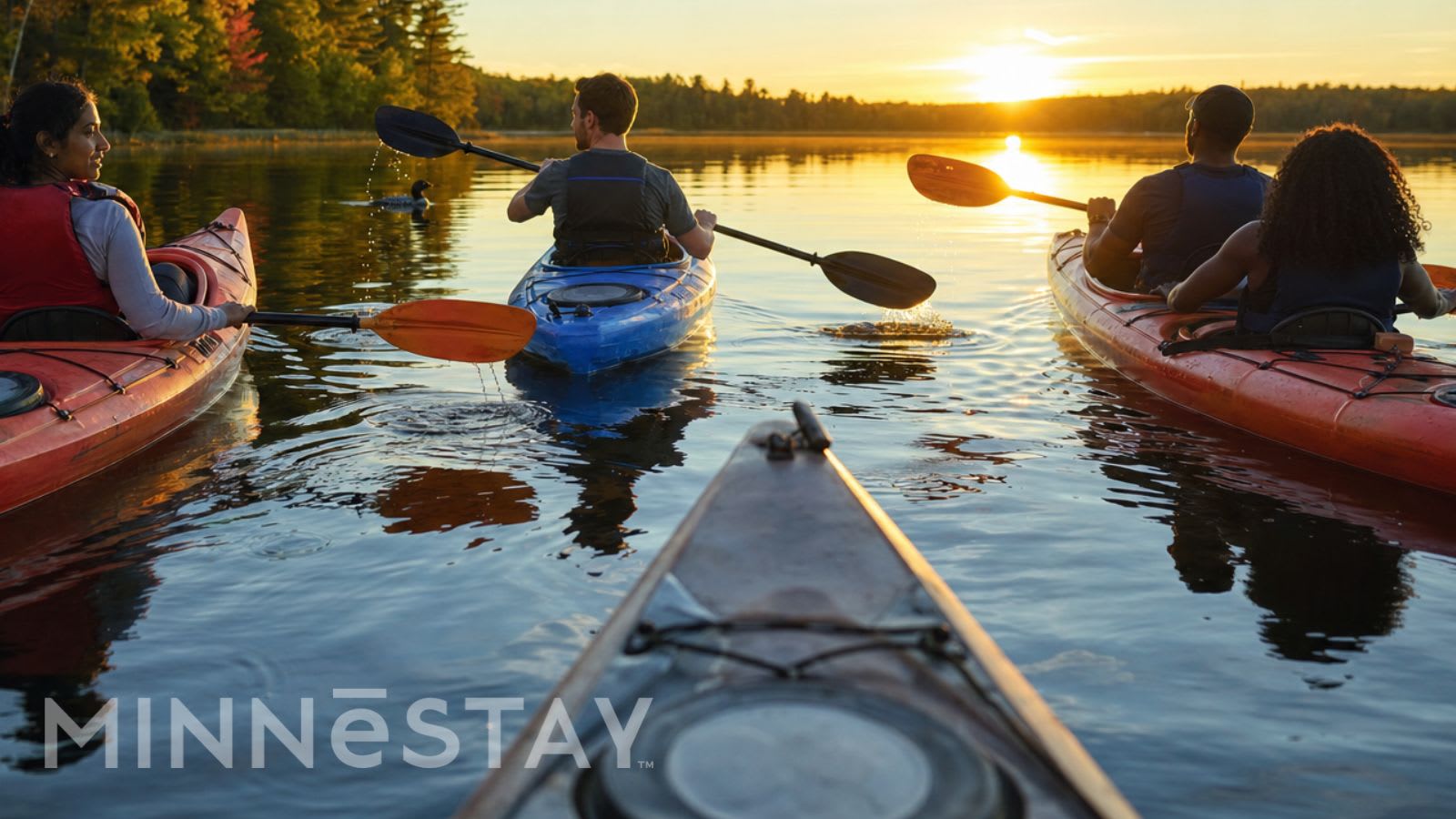
Large lakes can become dangerous quickly when wind builds. Wear a properly fitted life jacket, carry required safety equipment, check the forecast, and leave a float plan for longer trips. Voyageurs and other remote waters may require reservations, permits, or water-taxi planning. The team at MINNeSTAY can help you plan before your stay to ensure you have everything you need in place to enjoy your days on the water.
Safety and Seasonal Planning
- Spring: cold water, muddy trails, high water, and changing launch conditions can limit activities.
- Summer: reserve lodging and launches early, watch severe-weather alerts, and protect against sun and insects.
- Fall: shorter daylight, sudden wind, hunting seasons, and rapidly changing weather require extra planning; fall color timing varies by region and year.
- Winter: ice thickness is never uniform. Check local conditions, avoid moving water and pressure ridges, carry ice-emergency gear, and follow current DNR guidance.
- Accessibility and pets: facilities vary by park and access. Confirm trail surfaces, docks, beach access, restrooms, parking, leash rules, and seasonal closures with the managing agency before arrival.
Plan Your Minnesota Lake Getaway
Sources and verification: Minnesota DNR LakeFinder, current Minnesota fishing regulations, official state-park and Voyageurs National Park information, and official local access or management pages. Check each source shortly before travel because regulations, closures, reservations, and access conditions can change.